
When a performance feels forced, changing physical tempo can reveal a different thought pattern without adding more emotion or expression.
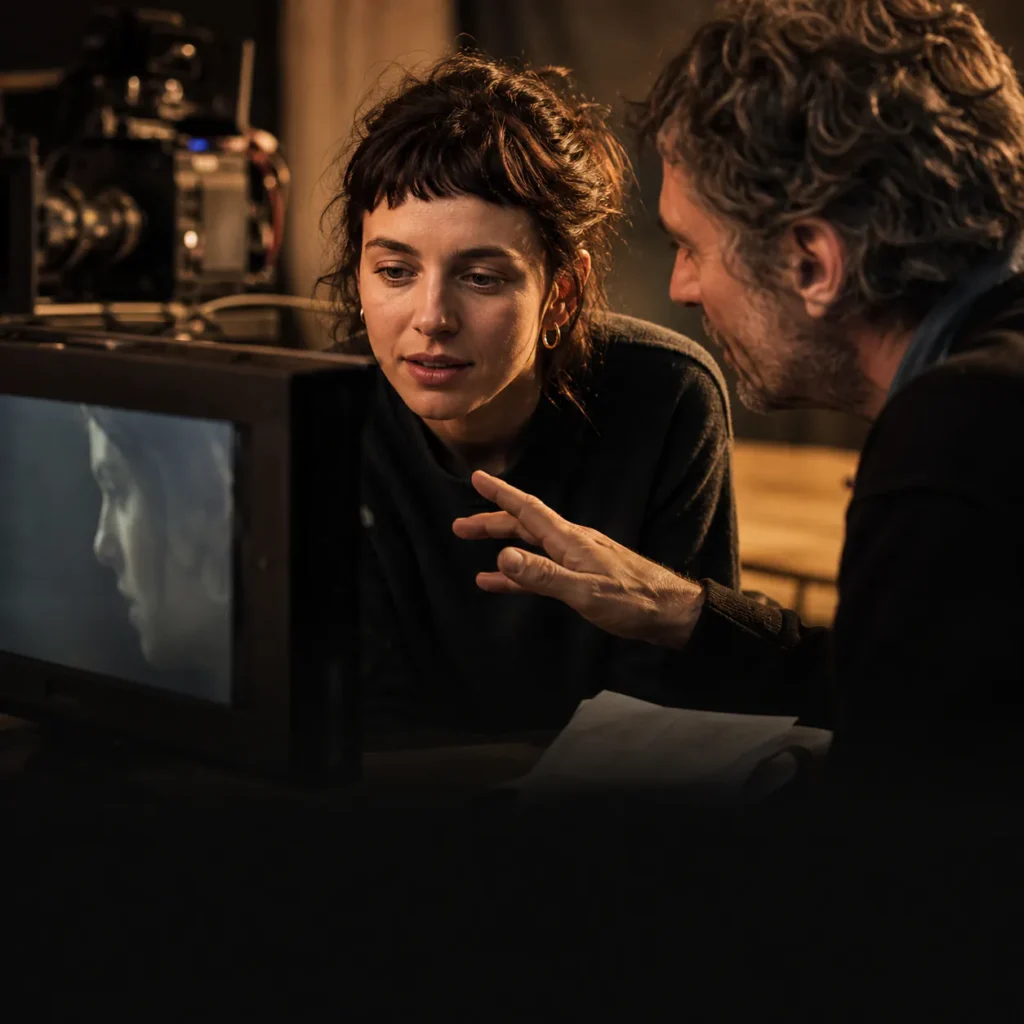
When a take feels wrong, actors often change the emotion. They try to be angrier, sadder, warmer or more confident. That can create a louder version of the same problem.
A more useful reset is sometimes physical tempo.
How quickly you sit, turn, reach, pack, pour, cross the room or answer a knock affects the rhythm of thought. Change the body honestly and the scene may reorganise itself.
Tempo is not just speed
Fast does not automatically mean urgent, and slow does not automatically mean serious.
A person may move quickly because they are avoiding a conversation. Another may become extremely still because they have finally understood the threat. Tempo includes acceleration, hesitation, interruption and recovery.
The camera reads these changes closely. A small delay before touching an object can be more revealing than a large facial reaction.
Find your default
Most actors have a tempo they return to under pressure. Some rush the beginning of every scene. Some slow down in an attempt to appear truthful. Some freeze their body and perform everything from the face.
Record a plain task, such as making a drink or packing a bag, while saying the scene. Watch it once with the sound off.
Ask:
- Does every action happen at the same speed?
- Do I finish physical tasks before speaking?
- Does my body stop whenever I listen?
- Am I moving because of the circumstances, or because silence feels uncomfortable?
The goal is not constant variation. It is responsiveness.
Try this: the tempo staircase
Choose a scene with a practical activity.
- Record the first take at your natural tempo.
- Record a second take where every physical action is completed at half speed. Keep the dialogue conversational.
- Record a third take where the task must be completed before the other person leaves, so the physical activity becomes fast.
- Record a fourth take with one rule: your tempo can only change when the other person says or does something that affects you.
- Watch all four and select two moments that felt newly alive.
The exaggerated versions are not final performances. They expose habits and generate options.
In the fourth take, look for whether the body changes because information has landed. That connection is useful on camera.
Let objects alter the rhythm
Props should not be busywork. Give the object a relationship to the scene.
A cup may be the only thing stopping your hands from shaking. A jacket may belong to somebody who is not coming back. A phone may contain information you cannot reveal.
When the object has meaning, touching or avoiding it changes tempo naturally.
Use a physical note instead of an emotional note
When directing actors on my own projects, I sometimes get a more specific result by changing the physical condition rather than asking for a feeling.
"Finish packing before you answer" may create conflict.
"Do not let them see your hands" may create control.
"Keep the door open" may create divided attention.
These notes give the actor something playable. The emotional effect belongs to the scene rather than the instruction.
Reset between takes
If a take becomes overworked, do not spend ten minutes explaining what went wrong. Stand up, walk once around the room and perform a simple physical task at a completely different tempo.
Then return to the scene with one clear action.
A reset should interrupt the pattern, not add another layer of self-analysis.
For more camera work, read The Two-Second Pause That Can Save a Self-Tape and The 60-Second Pre-Take Ritual for Screen Actors.
Related Actors Insights
Continue learning
Questions or corrections? Contact Moore Acting Instinct.