
Being memorable is not about adding quirks. It comes from a specific point of view, a clear relationship and the courage to let the scene affect you.
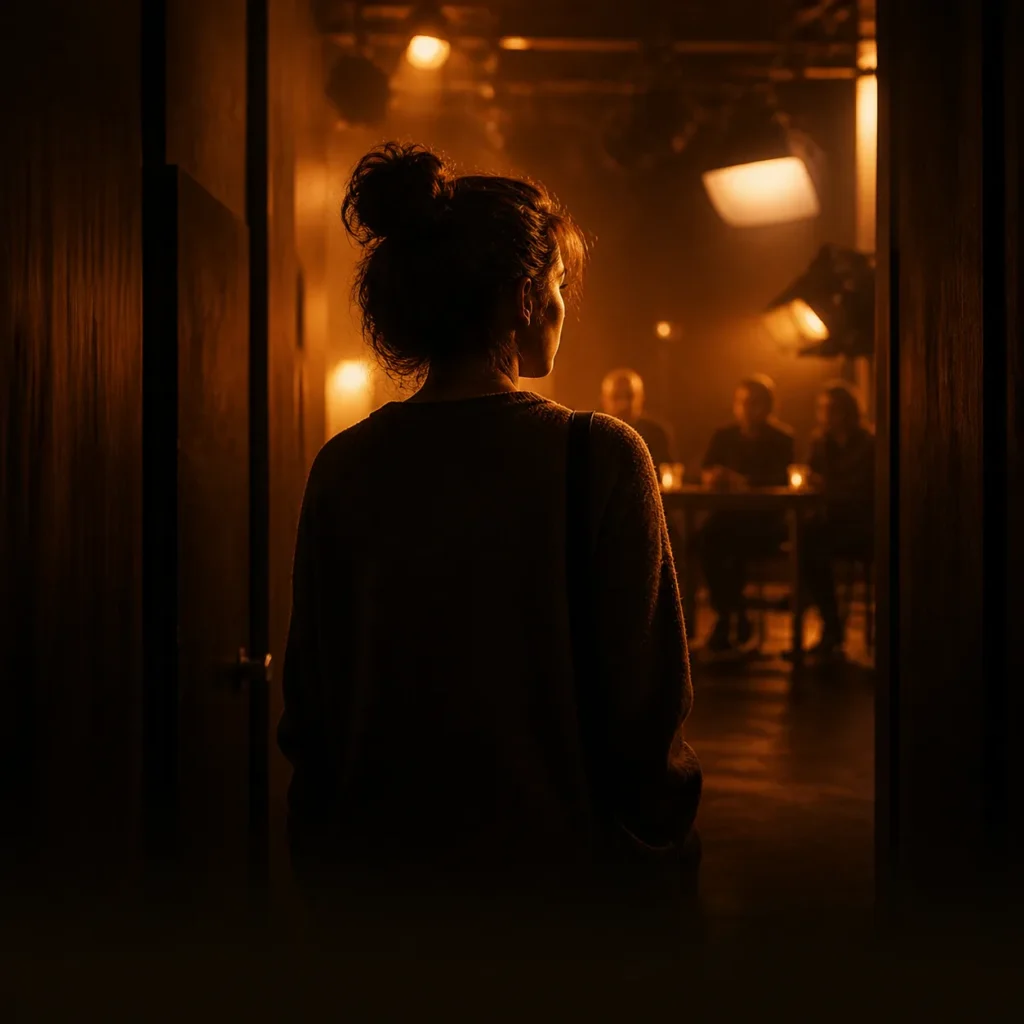
Actors are often told to stand out in an audition. The advice can lead to unusual pauses, forced intensity, invented business and choices designed mainly to be noticed.
A memorable performance is rarely memorable because the actor decorated it. It stays with us because the person seemed to have a specific life in the scene.
A point of view creates shape
Your character does not enter neutrally and wait for the dialogue to explain everything. They already have an opinion about the person, the place and what is likely to happen.
Complete three sentences before rehearsing:
- I believe this person is…
- I expect them to…
- I refuse to let them see…
The answers should be simple enough to affect behaviour. They do not need to appear in the script.
The relationship matters more than originality
Trying to invent the most original reading can disconnect you from the scene. Casting still needs to understand the story.
A clear relationship is distinctive because no two actors imagine and receive another person in exactly the same way.
Ask what changed between you before the scene began. An apology was expected and did not come. A secret has made ordinary conversation dangerous. One person knows the relationship is ending and the other does not.
That gives familiar words a particular pressure.
Let the scene leave a mark
Some auditions feel polished but untouched. The actor delivers each moment at the same emotional temperature because changing course might disturb the preparation.
Memorable work allows information to matter. A line can interrupt your action. A silence can force a new decision. A look can make the next sentence harder to say.
The change may be tiny. The camera will see it.
Try this: the missing photograph
Choose a one-page scene and place a photograph just outside frame. It can be any image that represents a shared event between the characters.
- Decide what happened immediately before the photograph was taken.
- Decide which character still wants to remember it and which wants to forget.
- Rehearse the scene once without looking at the photograph.
- Rehearse it again knowing it is visible to you throughout.
- Remove the photograph and record the final take.
Do not manufacture reactions towards the object. Its purpose is to create a shared history that remains in the room after the prop is gone.
Avoid audition tricks
A whisper is not automatically intimate. A long pause is not automatically brave. Looking away is not automatically vulnerable.
Every choice needs a reason connected to the other person and the circumstances.
When I auditioned for Winners & Losers, the useful shift was not finding a clever way to attract attention. It was allowing fear to be present without making the audition about fear. That left more room for the work.
Make one clear offer
Casting does not need you to demonstrate every possible version of the character in one take. Offer a coherent interpretation.
That does not mean ignoring direction. It means arriving with something specific enough to adjust.
A strong offer says, "This is how I understand the scene today." It does not say, "This is the only way it can be played."
Memorable does not guarantee a booking
A good audition can still be the wrong fit for a particular production. No acting technique controls age, chemistry, schedule, physical requirements or the direction of the wider cast.
Your goal is to create work that is clear, responsive and recognisably yours. That is a better target than trying to reverse-engineer what strangers want.
For more audition work, read Stop Trying to Be the Right Person and Audition Nerves: Give the Adrenaline a Job.
Related Actors Insights
Continue learning
Questions or corrections? Contact Moore Acting Instinct.