
When dialogue starts sounding fixed, return to what each line is doing. This meaning-first exercise keeps the words secure without trapping the delivery.
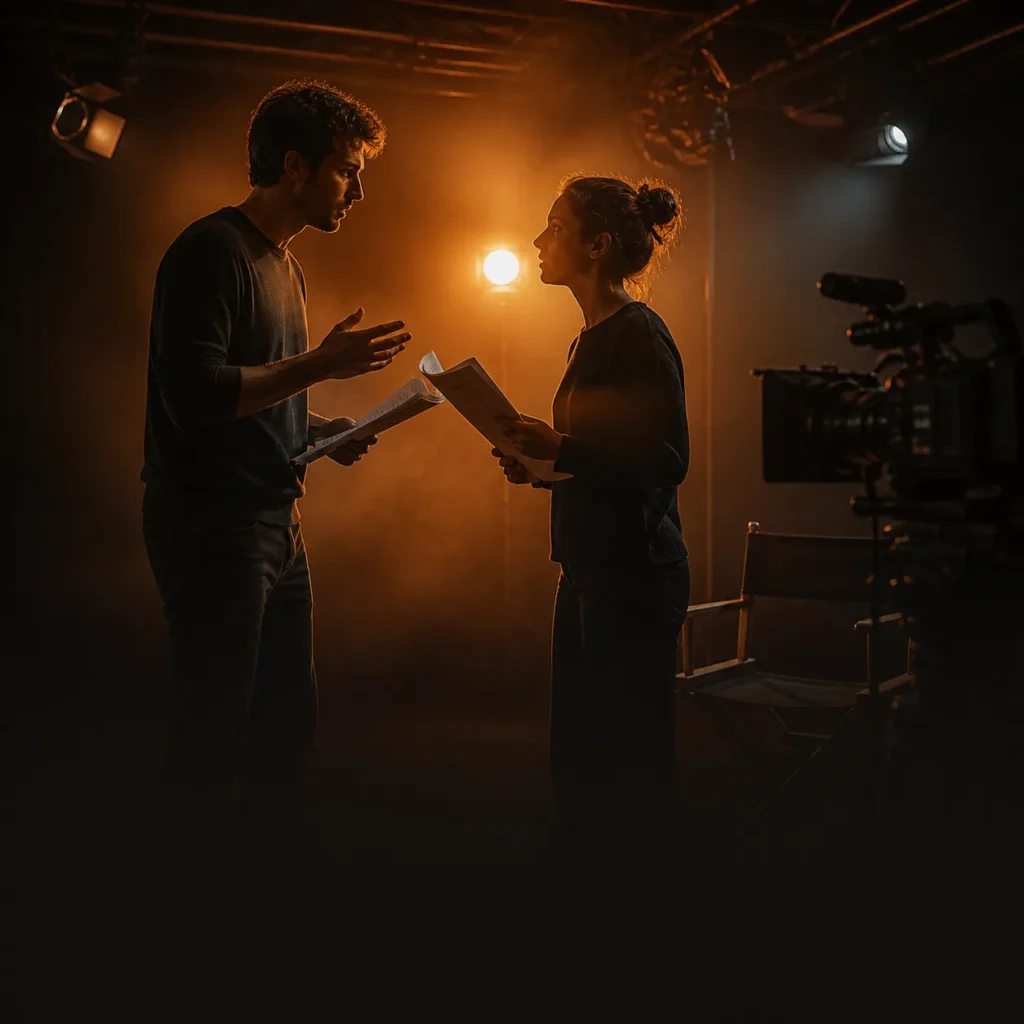
There is a point in rehearsal where knowing the lines can start working against the scene. The actor remembers not only the words, but the music of every previous attempt.
The pauses arrive in the same places. The emphasis lands on the same words. The scene is accurate and strangely dead.
The answer is not to forget the dialogue. It is to reconnect each line to the reason it exists.
Words are actions, not audio files
A line may reassure, corner, distract, punish, invite or test another person. When you know what it is doing, the delivery can change while the intention remains clear.
When you memorise only sound, any interruption feels dangerous. When you understand the action, you can recover because you know where the conversation is going.
Paraphrase without improving the writer
Put each line into ordinary language. Keep the meaning, relationship and pressure, but say it as yourself.
Do not try to write a better version. The point is to expose what you think the line means.
If your paraphrase is vague, the original will probably be vague in performance too.
Try this: meaning before wording
Take a page of dialogue.
- Read the scene once without performing it.
- Cover the text and tell the story of the exchange in your own words.
- Improvise the scene with the reader, preserving the objectives but not the dialogue.
- Return to the script and speak the written lines.
- Ask the reader to interrupt once with a genuine question about what you mean. Answer in character, then continue the text.
This makes the language something you are using now, rather than something you are protecting.
Break the rehearsed rhythm
Run the scene while doing a simple task that needs attention, such as packing a bag, sorting coins or cleaning a table. Choose something safe and relevant enough that it does not become a comedy routine.
The task changes breath and timing. It can reveal where the dialogue has become disconnected from behaviour.
Then remove the task and keep the freedom it created.
Learn cues by event, not by the final word
Actors often memorise the last word of the reader’s line as a trigger. That encourages anticipation.
Instead, identify the event in the cue. Perhaps the other person refuses, changes the subject or reveals that they already know. Let the event call up your response.
This is particularly useful for self-tapes, where a reader may not use the timing you practised.
Keep one element unrehearsed
Preparation should give you freedom, not remove every unknown. Leave one part open. It might be when you sit, whether you make contact, how long you hold a silence or which tactic appears after a refusal.
A small area of genuine choice can keep the whole scene responsive.
The NeuroMemory acting course explores my approach to lines in more depth. You can also read The Two-Second Pause That Can Save a Self-Tape.
Related Actors Insights
Continue learning
Questions or corrections? Contact Moore Acting Instinct.