
Confidence becomes more reliable when it is based on recorded evidence. This exercise helps actors track useful progress instead of chasing a feeling.
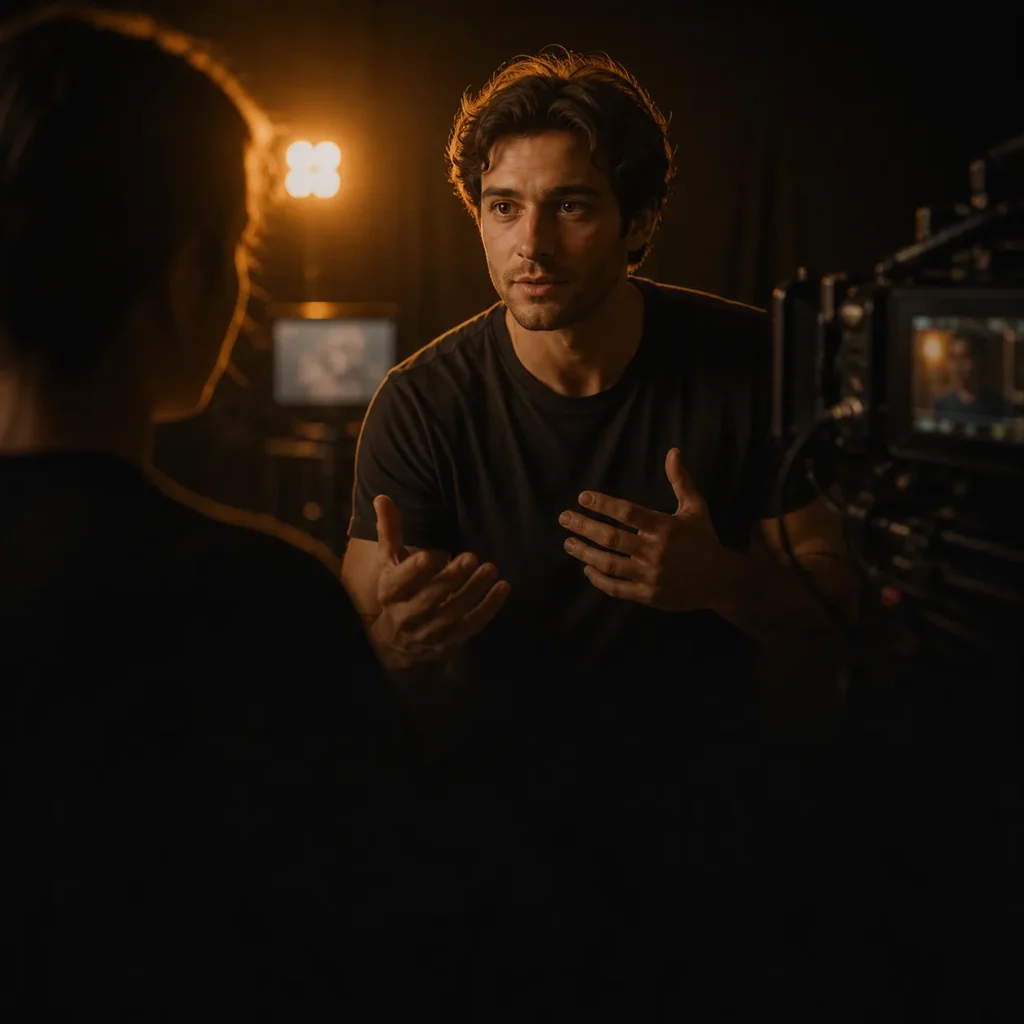
Actors are often told to believe in themselves. It is well meant, but belief can be difficult to summon when a self-tape has gone badly or the work has been quiet.
I prefer evidence.
Confidence becomes more dependable when you can point to things you have actually done: a truthful moment on camera, a difficult adjustment you handled, a page of dialogue you learned properly or a scene you completed despite feeling nervous.
Stop asking whether you are a confident actor
That question is too broad. You may be confident with comedy and uncertain with stillness. You may feel relaxed in class but tighten when you press record. You may know how to prepare a scene but struggle to finish and submit it.
Break confidence into skills. Skills can be practised and observed.
At Moore Acting Instinct, I often ask actors to identify the exact point where trust disappears. Is it during preparation, the first line, playback or submission? That answer determines the work.
Create a proof reel
A proof reel is not a showreel and it is not for public viewing. It is a private collection of short moments that remind you what is already available in your work.
Collect clips such as:
- a moment where you genuinely listened
- a take where you accepted an unusual direction
- a clean eyeline in close-up
- a line delivered without pushing
- a mistake you recovered from without leaving the scene
Keep each clip between five and fifteen seconds. The reel is not meant to flatter you. It should provide accurate evidence.
Try this: ten takes, one variable
Choose a scene that lasts about thirty seconds.
- Record the scene once a day for ten days.
- Change only one variable each day. Examples include pace, distance from the reader, physical activity, the character’s private opinion or the moment you decide to speak.
- Name each file with the variable, not with "good" or "bad."
- On day ten, choose three moments that taught you something.
- Add those moments to your proof reel with a note about why they work.
This exercise removes the pressure to create a masterpiece every time. You are running a small experiment and learning how the camera reads your choices.
Playback needs a job too
Watching yourself without a question can quickly become self-criticism. Give playback a narrow task. One day, watch only the eyes. Another day, listen without looking at the screen. On another, track when the body becomes still.
Do not write, "I hate my voice." Write, "I dropped the end of each sentence when I looked down." The second note can lead to practice.
Confidence is a record of kept promises
Every time you complete a small piece of work, you make it easier to trust yourself the next time. That is why consistency matters more than a dramatic burst of motivation.
My experience on professional sets and independent productions has taught me the same lesson. You do not wait to feel certain. You prepare what you can, remain responsive and solve the next problem.
The acting courses page explains how I approach screen training. You may also find Why Actors Lose Confidence After Training or Rejection useful.
Related Actors Insights
Continue learning
Questions or corrections? Contact Moore Acting Instinct.