
Before I worry about accents, emotion or polished delivery, I look for attention, curiosity and whether an actor can stay available in the room.
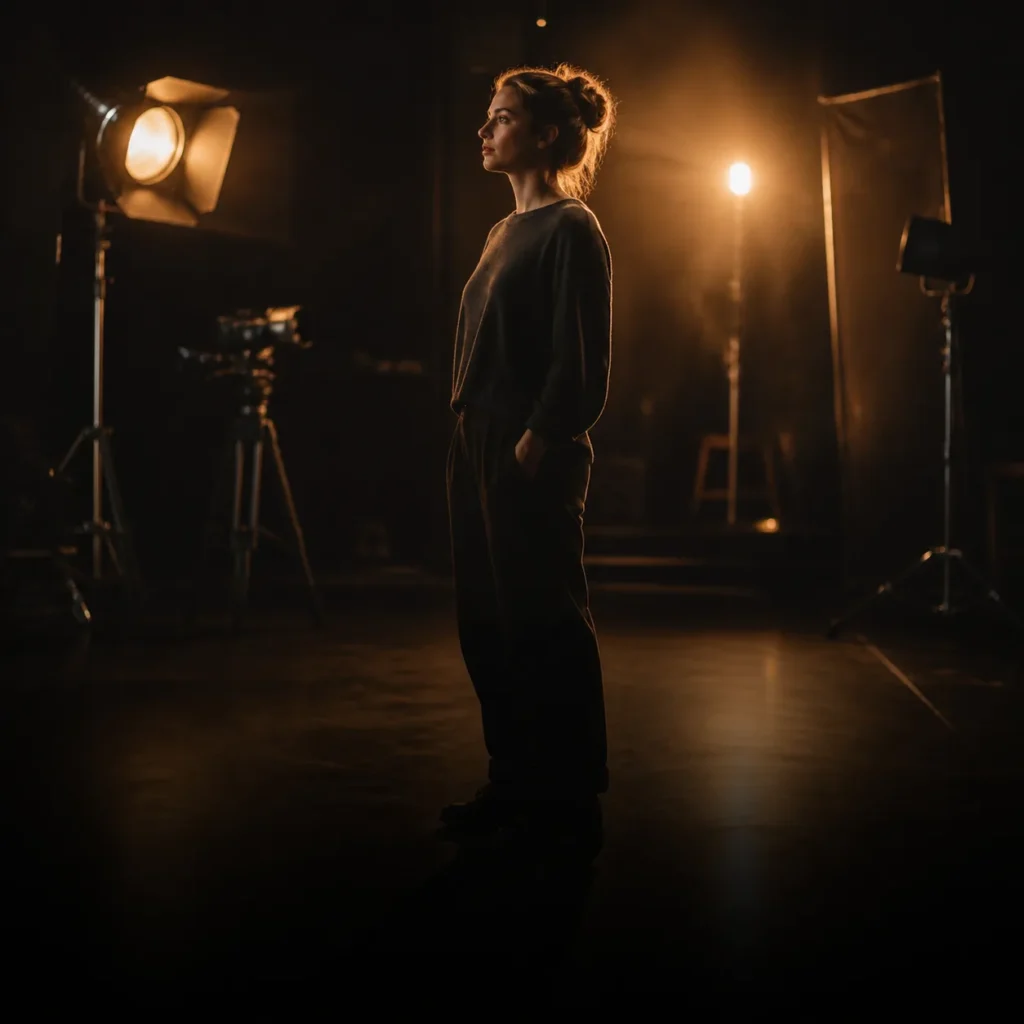
Most actors arrive at class expecting notes about voice, movement, emotion or character. Those things matter, but they are rarely the first thing I notice.
I notice where your attention goes.
Are you listening to the other actor, or listening to yourself? Are you willing to let a moment affect you, or are you racing towards the version you prepared at home? Can you stay curious when something goes wrong?
Those questions tell me more than a polished first read.
Technique cannot help an actor who has disappeared
An actor can know every line, hit every mark and still feel absent. It usually happens when the performance becomes a private exam. The actor is checking their face, judging their voice and trying to predict whether the teacher likes the work.
The audience feels that split attention. They may not know what is wrong, but they stop leaning in.
When I teach at Moore Acting Instinct, I often begin by taking pressure away from the result. I want to see whether the actor can notice the room, receive another person and make a clear choice. Technique becomes useful once there is somebody present to use it.
Three qualities I look for
Attention
Good actors place their attention somewhere specific. It might be on a scene partner, an object, a sound outside the room or a problem that needs solving. Specific attention creates behaviour without forcing it.
Curiosity
Curiosity keeps a scene alive. Instead of deciding exactly how a line must sound, the actor wonders what might happen when they say it. That small shift leaves space for discovery.
Recovery
Mistakes are useful. On a professional set, a noise interrupts a take, a prop refuses to work or another actor changes the timing. I am interested in how quickly an actor returns to the scene without apologising with their whole body.
Try this: the silent entrance
You need a phone camera, a chair and a doorway.
- Place the chair in frame and start recording.
- Leave the room. Before entering, decide why you urgently need the chair. Do not invent a complicated story. One clear reason is enough.
- Enter, cross the room and sit without speaking.
- Repeat it with a different relationship to the room. In the second take, you are trying not to wake someone. In the third, you believe somebody has been through your belongings.
- Watch the three takes with the sound off.
Do not ask, "Did I look good?" Ask, "Could I see a thought changing my behaviour?"
If the takes all look the same, you probably performed the action of entering rather than responding to the circumstances. Try again with less facial effort and a clearer private reason.
Presence is not volume
Stage presence is often mistaken for being loud, confident or physically large. Some of the most watchable actors do very little. What holds us is the sense that they are taking in the world and deciding what to do next.
That is the foundation I care about as an acting teacher. Voice, movement and emotional range can all be trained. The deeper task is learning to remain available while people are watching.
For more on that process, read Stage Presence Is About Where Your Attention Goes or explore my acting classes and courses.
Related Actors Insights
Continue learning
Questions or corrections? Contact Moore Acting Instinct.