
Actors Insights
The things in life you most regret are the risks you never take.
Practical Guidance for Screen Actors
Explore practical advice on screen acting, auditions, rehearsal and professional practice from Paul Moore, an Australian actor, filmmaker and acting coach. These articles draw on first-hand work across television, independent production and performer training through Moore Acting Instinct in Geelong.
What an Acting Teacher Looks for Before Technique
Before I worry about accents, emotion or polished delivery, I look for attention, curiosity and whether an actor can stay available in the room.

What Good Acting Classes Should Actually Give You
A useful acting class should build repeatable skills, creative courage, professional habits and a clearer understanding of how you work.
The 60-Second Pre-Take Ritual for Screen Actors
A useful pre-take ritual should be brief enough for a real set and specific enough to reconnect the actor with body, relationship and first thought.
Four Habits That Make an Actor Easier to Direct
Directors value actors who can listen, adjust, repeat technical actions and remain collaborative. These four habits can be trained before the next set.

The Best Audition Reset Is Curiosity, Not Confidence
When an audition becomes a test, curiosity can reopen the scene. This exercise gives the actor something new to discover instead of something to prove.

Reset Your On-Camera Presence by Changing Your Physical Tempo
When a performance feels forced, changing physical tempo can reveal a different thought pattern without adding more emotion or expression.
How to Look Present on Camera Without Doing More
Screen presence often improves when an actor stops adding expression and starts allowing specific thoughts, sounds and changes to register naturally.
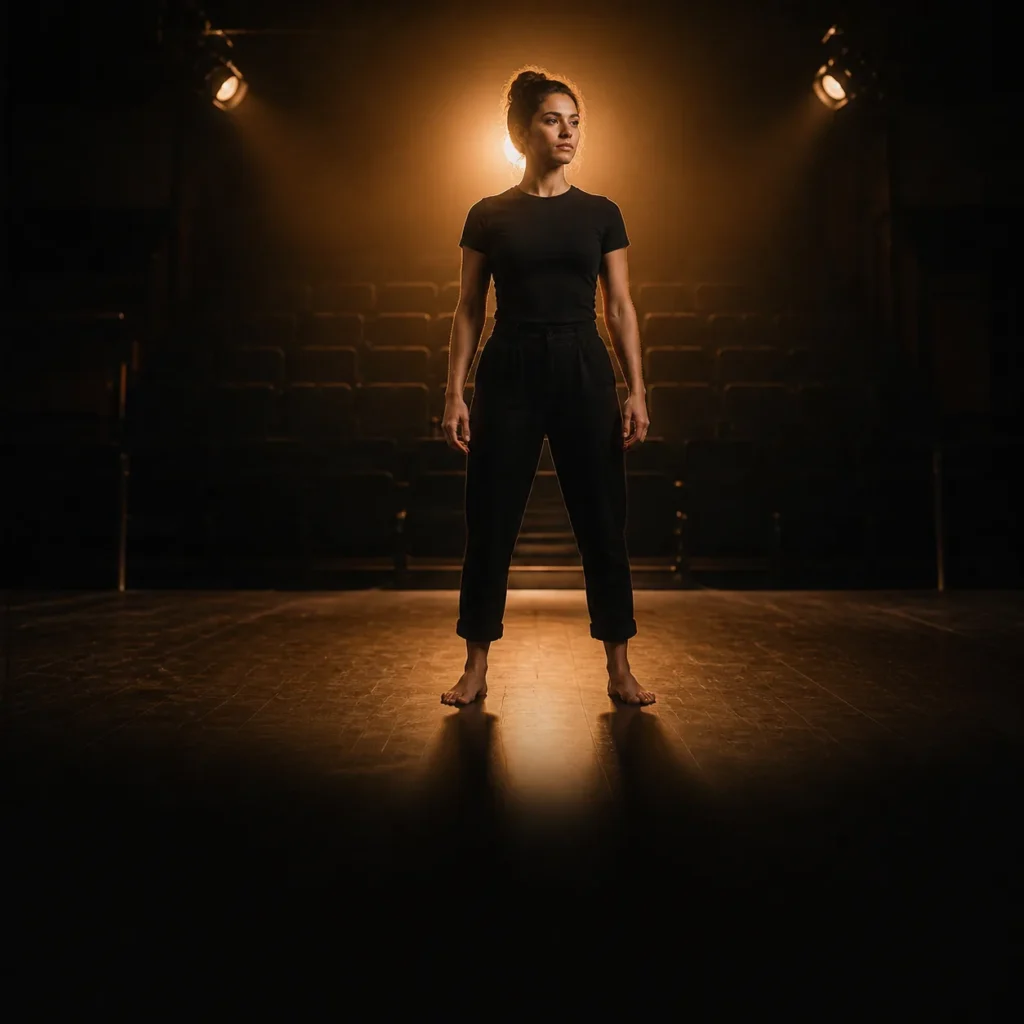
How to Fill a Stage Without Pushing Your Voice or Body
Filling a stage comes from clear thought, supported speech, spatial commitment and a relationship that reaches beyond your own performance.
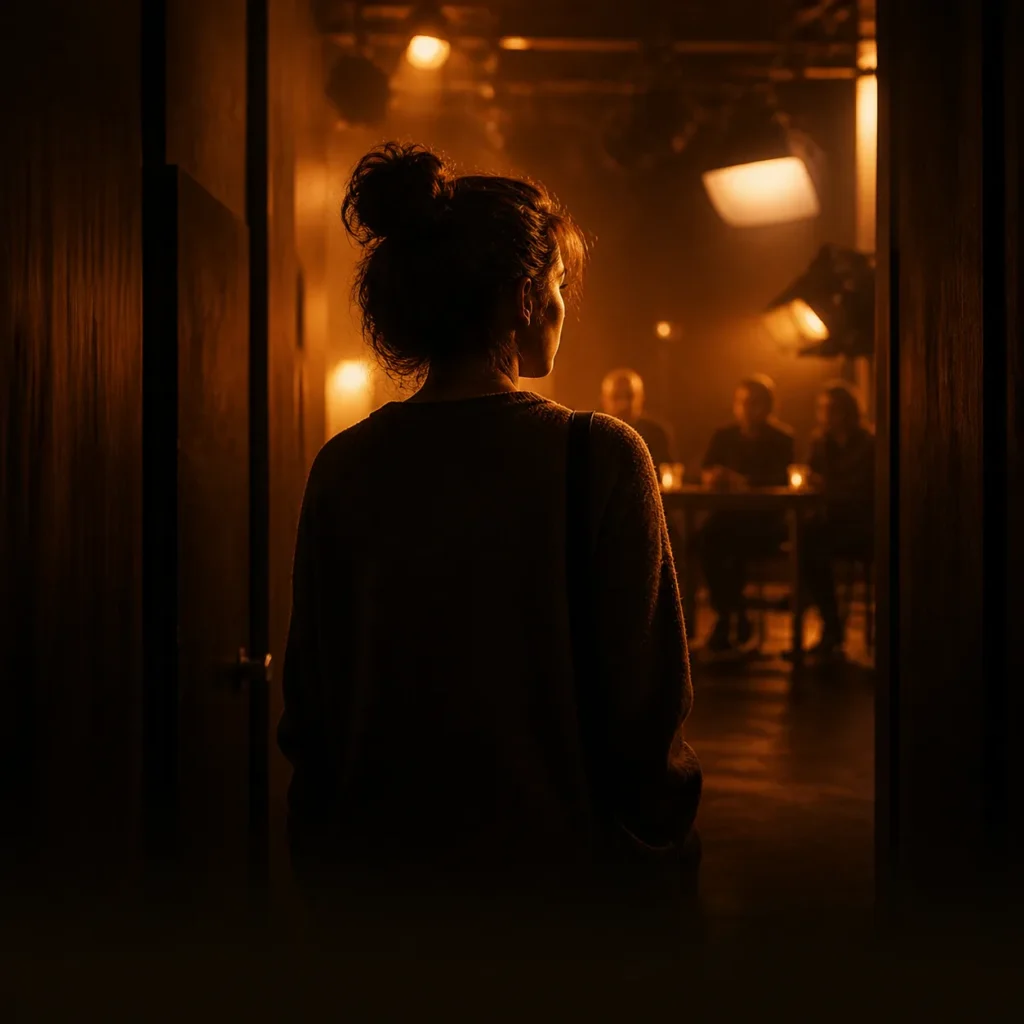
What Actually Makes an Actor Memorable in an Audition
Being memorable is not about adding quirks. It comes from a specific point of view, a clear relationship and the courage to let the scene…
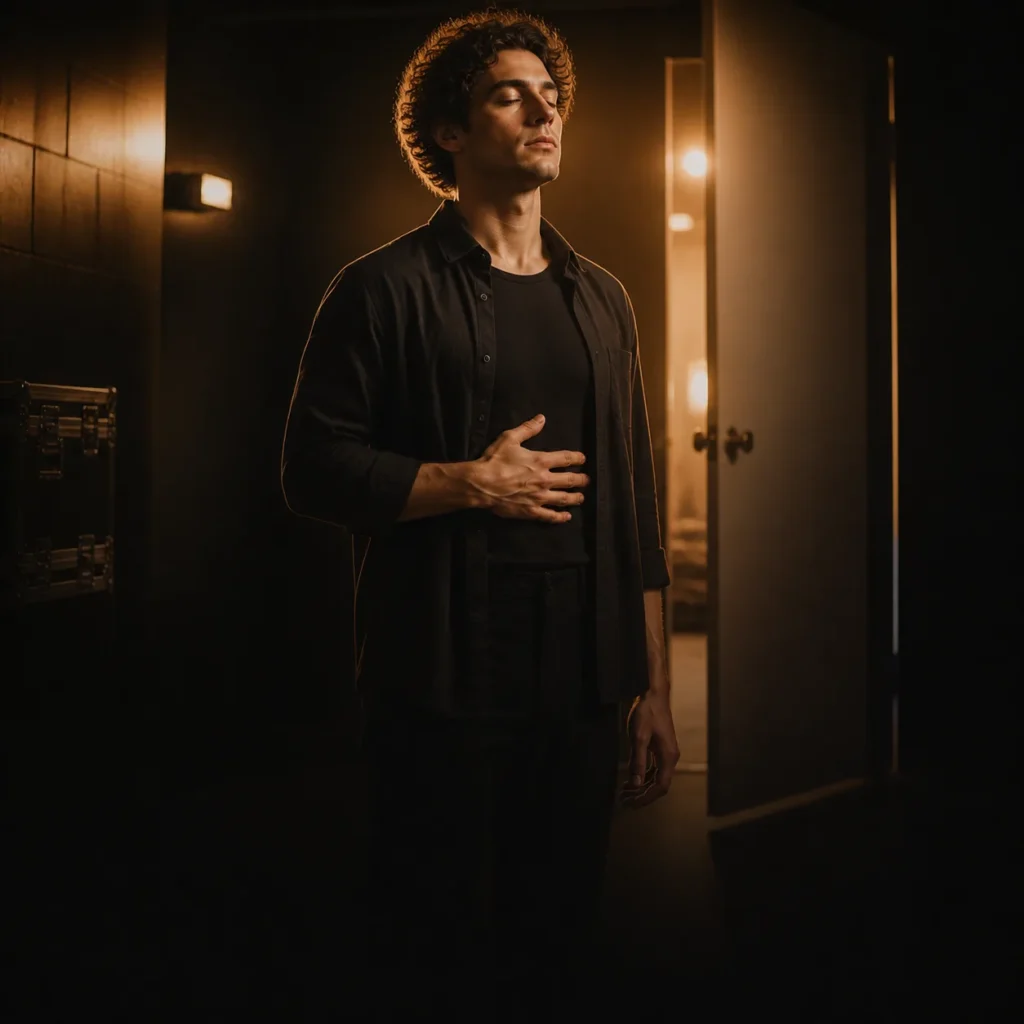
Audition Confidence: Stop Trying to Be the Right Person
Casting rarely has one secret correct performance in mind. Actors work more freely when they stop guessing and make a clear, truthful offer.
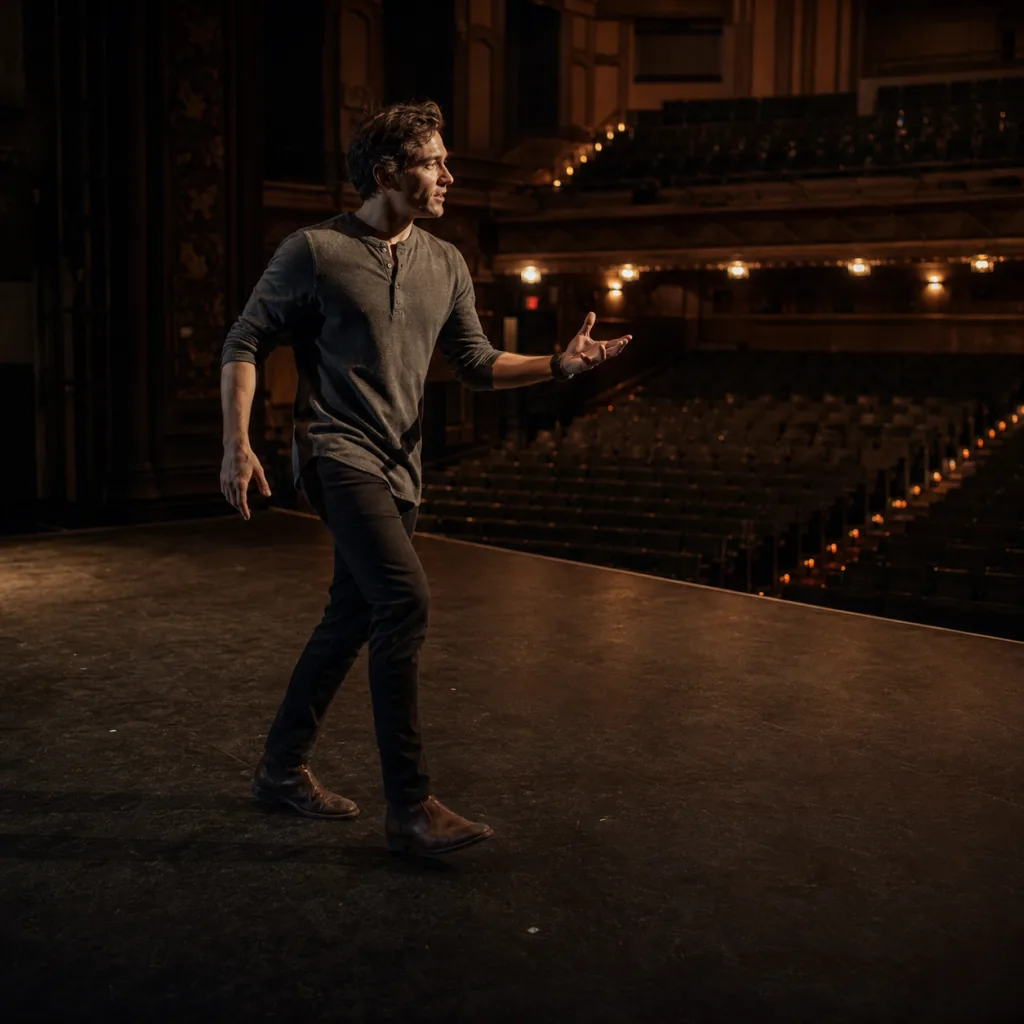
Stage Presence Is About Where Your Attention Goes
Stage presence is not a special personality trait. It grows when an actor gives full attention to the space, the other person and the next…
Audition Nerves: Give the Adrenaline a Job
Trying to eliminate nerves can make an audition harder. A better approach is to direct that energy towards a physical task, a relationship and a…
A 20-Minute Acting Routine for Busy Performers
A useful acting routine does not need to consume your day. This twenty-minute session trains body, voice, meaning, listening and camera work.
How to Build Acting Confidence Without Waiting for a Role
Actors often expect a booking to restore confidence. A better approach is to create regular proof through small, finished pieces of acting work.

Seven Acting Lessons I Wish I Had Learned Earlier
These are seven practical lessons I learned through training, auditions, television work, teaching and making independent productions.
Five Acting Habits That Improve Your Work Between Classes
Most progress happens between lessons. These five small habits give actors a practical way to train observation, listening, lines and camera awareness each week.
The Two-Second Pause That Can Save a Self-Tape
A short pause before replying can stop a self-tape from feeling recited, but only when the actor uses that time to receive new information.
Three Practical Tools for Acting Under Pressure
When pressure rises, broad advice is hard to use. These three tools give actors a sensory target, a playable verb and a simple physical anchor.

Acting With Anxiety: You Do Not Need to Feel Calm First
Actors can mistake anxiety for a stop sign. This personal and practical approach allows the sensations to exist while attention returns to the scene.
A 30-Day Screen Acting Challenge Using Your Phone and AI
This month-long challenge uses a phone camera and carefully limited AI prompts to build consistency, camera awareness and independent rehearsal skills.
Using AI as a Rehearsal Partner Without Letting It Act for You
AI can help actors generate questions, obstacles and rehearsal variations. It becomes less useful when it starts deciding the character or writing the performance.
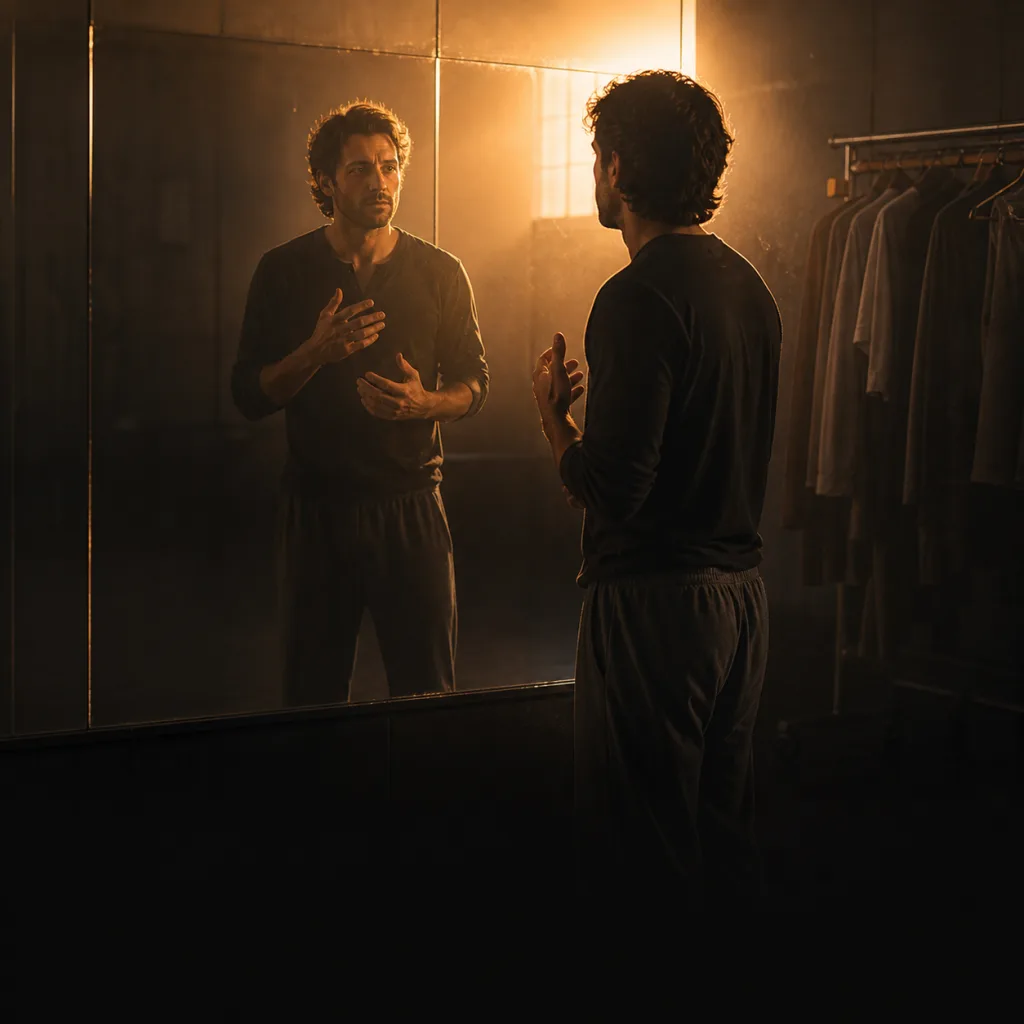
Build a Character From Behaviour, Not Biography
Backstory is useful when it changes behaviour. This character exercise turns research into habits, routines, status and choices the camera can actually see.
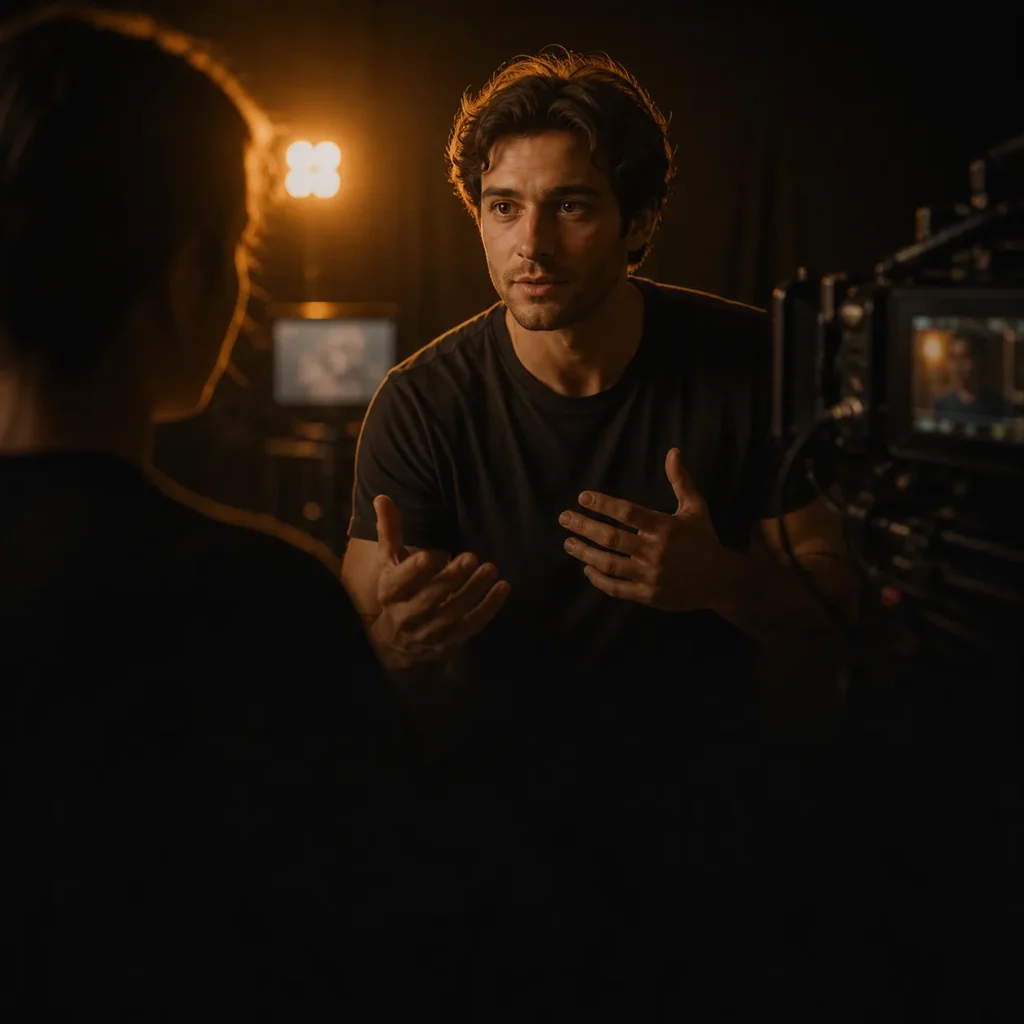
Screen Acting Confidence Comes From Evidence, Not Pep Talks
Confidence becomes more reliable when it is based on recorded evidence. This exercise helps actors track useful progress instead of chasing a feeling.
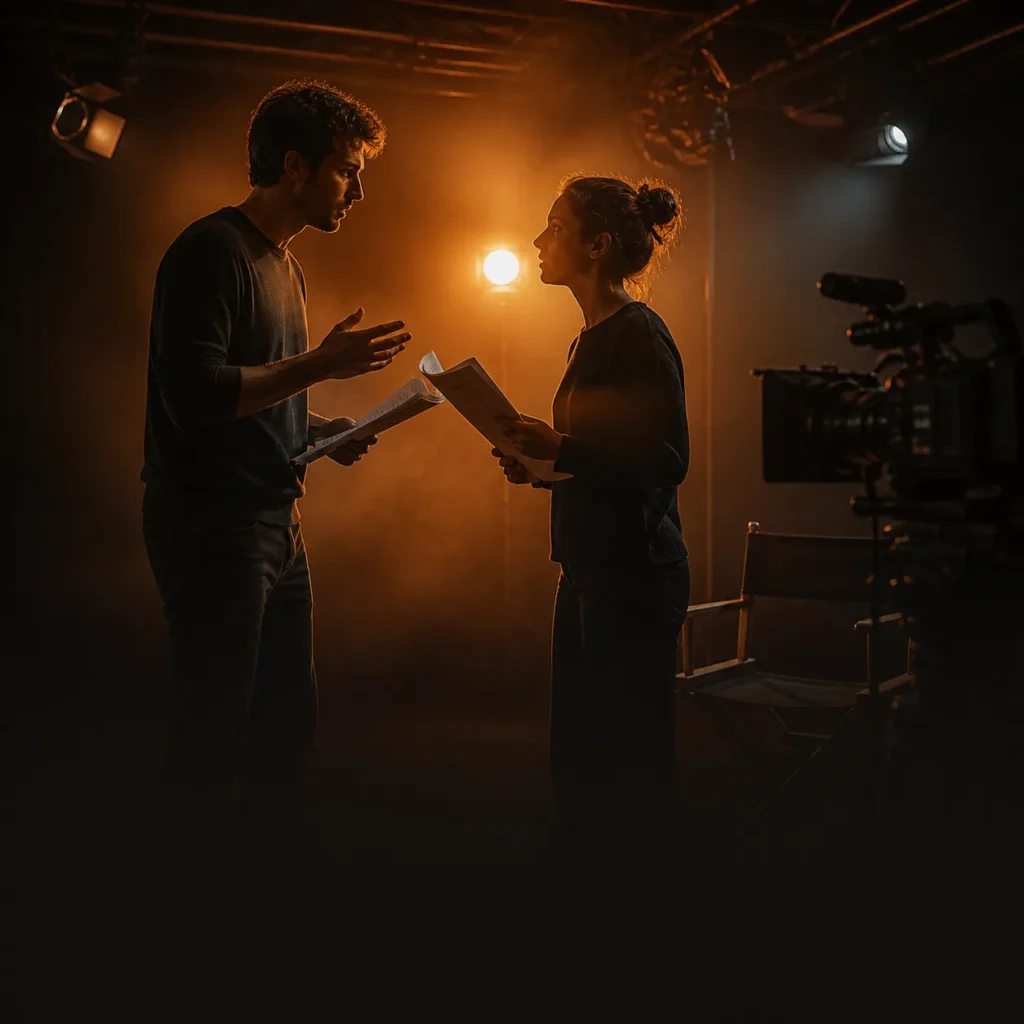
A Rehearsal Trick That Stops Lines Sounding Rehearsed
When dialogue starts sounding fixed, return to what each line is doing. This meaning-first exercise keeps the words secure without trapping the delivery.
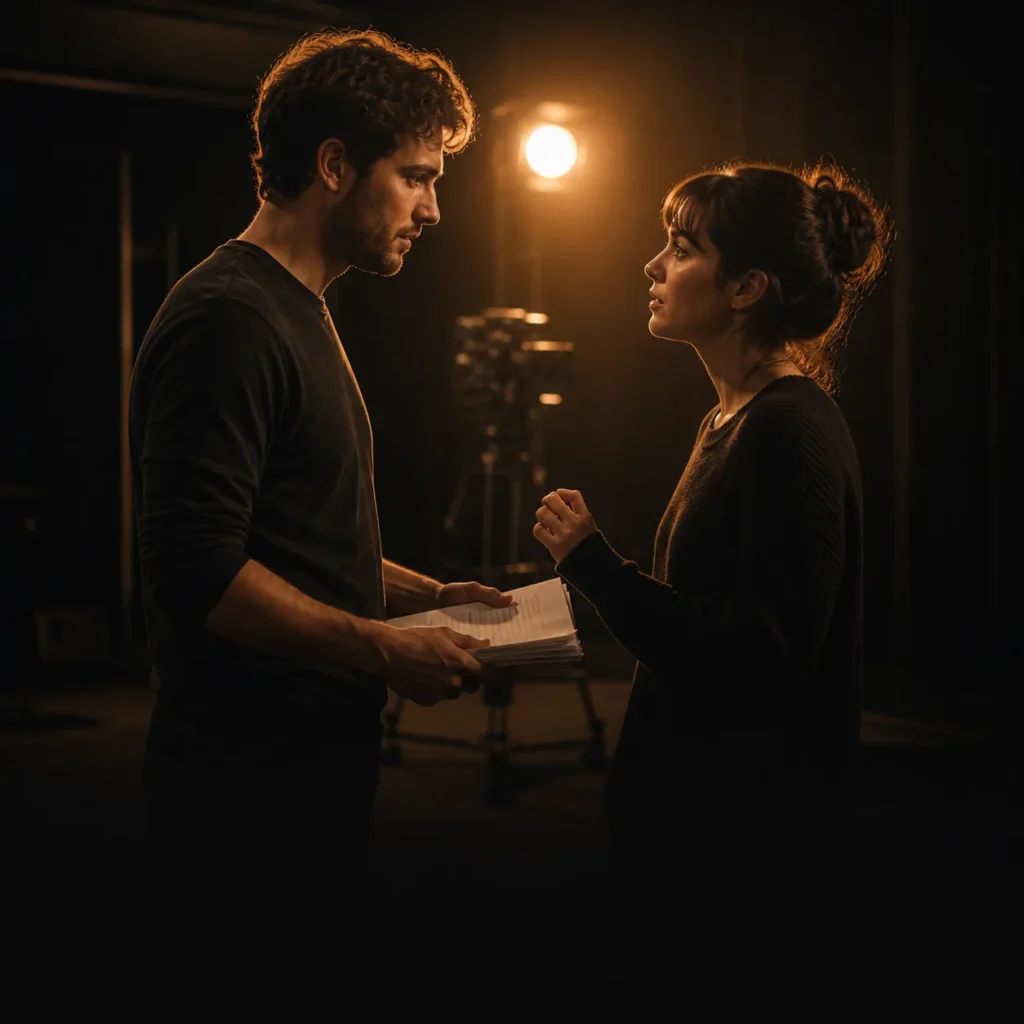
Make Stronger Acting Choices by Changing the Relationship
A strong acting choice is rarely about volume. Change who the other person is to you and the same words can produce completely different behaviour.

How Actors Can Recover Focus After a Bad Take
A bad take becomes costly when the actor carries it into the next one. This reset separates useful information from self-judgement and gets you working…
Why Actors Lose Confidence After Training or Rejection
Confidence can drop after a difficult class, a quiet period or repeated rejection. Rebuilding begins by identifying the exact skill or expectation that changed.
Why Acting Is a Life Skill, Not Just a Career
Acting develops attention, communication, emotional range and the ability to remain present when a situation is uncertain.
What Young Actors Often Miss: Professionalism Is Part of the Craft
Talent gets attention, but preparation, communication and set behaviour determine whether people can confidently hire an actor again.
How Emergency Teaching Made Me a Better Actor
Relief teaching strengthened my ability to recover, simplify instructions and stay responsive when the plan changed in front of a room.
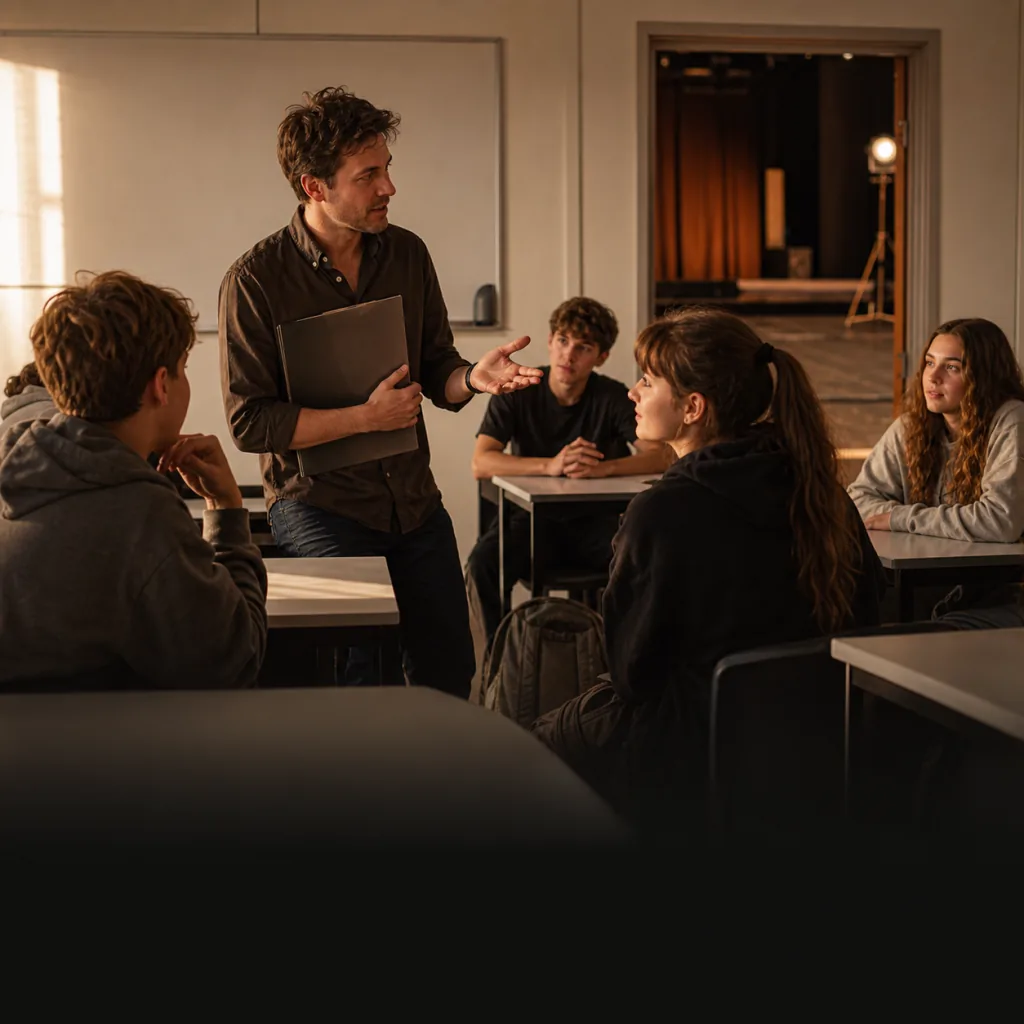
What Emergency Teaching Taught Me About Reading a Room
Walking into an unfamiliar classroom taught me to read status, energy and resistance quickly. Those same skills are valuable for actors entering a scene.

Industry Links
Casting Networks
https://www.castingnetworks.com
Showcast
https://www.showcast.com.au
Casting.com
https://www.casting.com
Altai Casting
https://www.altaicasting.com/
StarNow
https://www.starnow.com
Screen Australia
https://www.screenaustralia.gov.au